The Northern Lights are not a hotel amenity.
They cannot be switched on for a proposal, held in place for a photograph or guaranteed because a suite is expensive. The aurora is a natural phenomenon that requires solar activity, darkness, sufficiently clear skies and a viewing position away from excessive artificial light.
That uncertainty is often uncomfortable for a traveller accustomed to premium arrangements. Yet it is also what makes the moment extraordinary. When the sky changes, everyone stops speaking. The experience feels earned, even when the only effort involved was waiting in a warm suit beside a patient guide.
For the 2026-27 season, Finland, Norway, Iceland and Sweden each offer excellent possibilities during their dark months. The right destination depends on what you want to do while waiting for the sky. This is the most useful way to choose, because an aurora holiday must remain worthwhile even if cloud covers every night.
Finland: best for glass cabins, families and structured winter experiences
Finnish Lapland offers one of the broadest ranges of polished aurora accommodation, from glass cabins to private log villas with saunas. The official viewing season extends from late August to early April, with autumn and late winter often appealing to travellers who want darkness without the deepest cold or festive crowds.
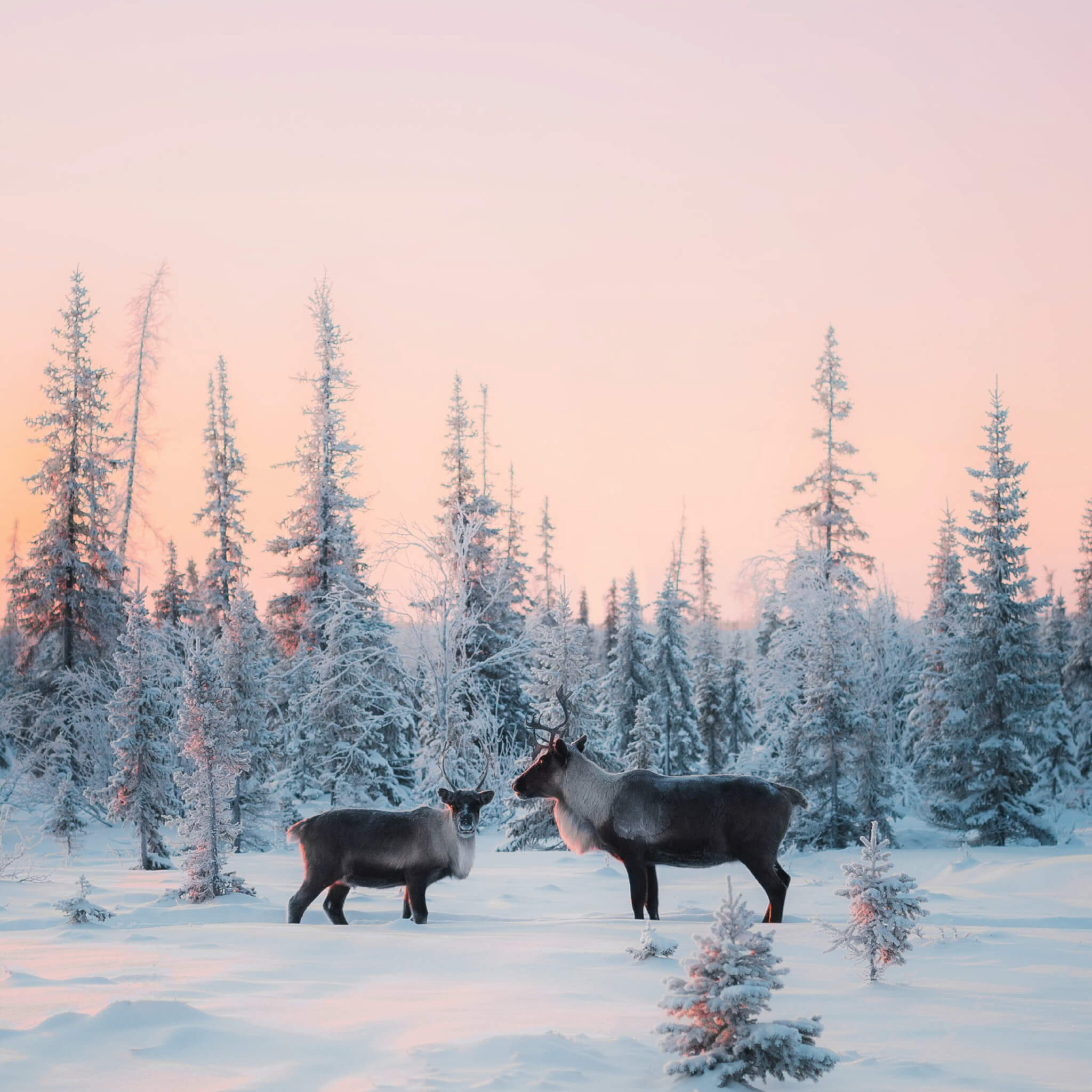
Rovaniemi suits families and first-time visitors because Santa experiences, restaurants and activities are easy to arrange. Saariselkä, Levi, Inari and more remote regions provide stronger wilderness character. Daytime options include huskies, reindeer, snowmobiling, cross-country skiing and sauna culture.
Choose Finland when you value a contained, well-organised winter holiday and want a good range of accommodation styles. It is also suitable for multigenerational travel, provided the itinerary accounts for temperature and daylight.
Norway: best for aurora combined with sea, mountains and Arctic city life
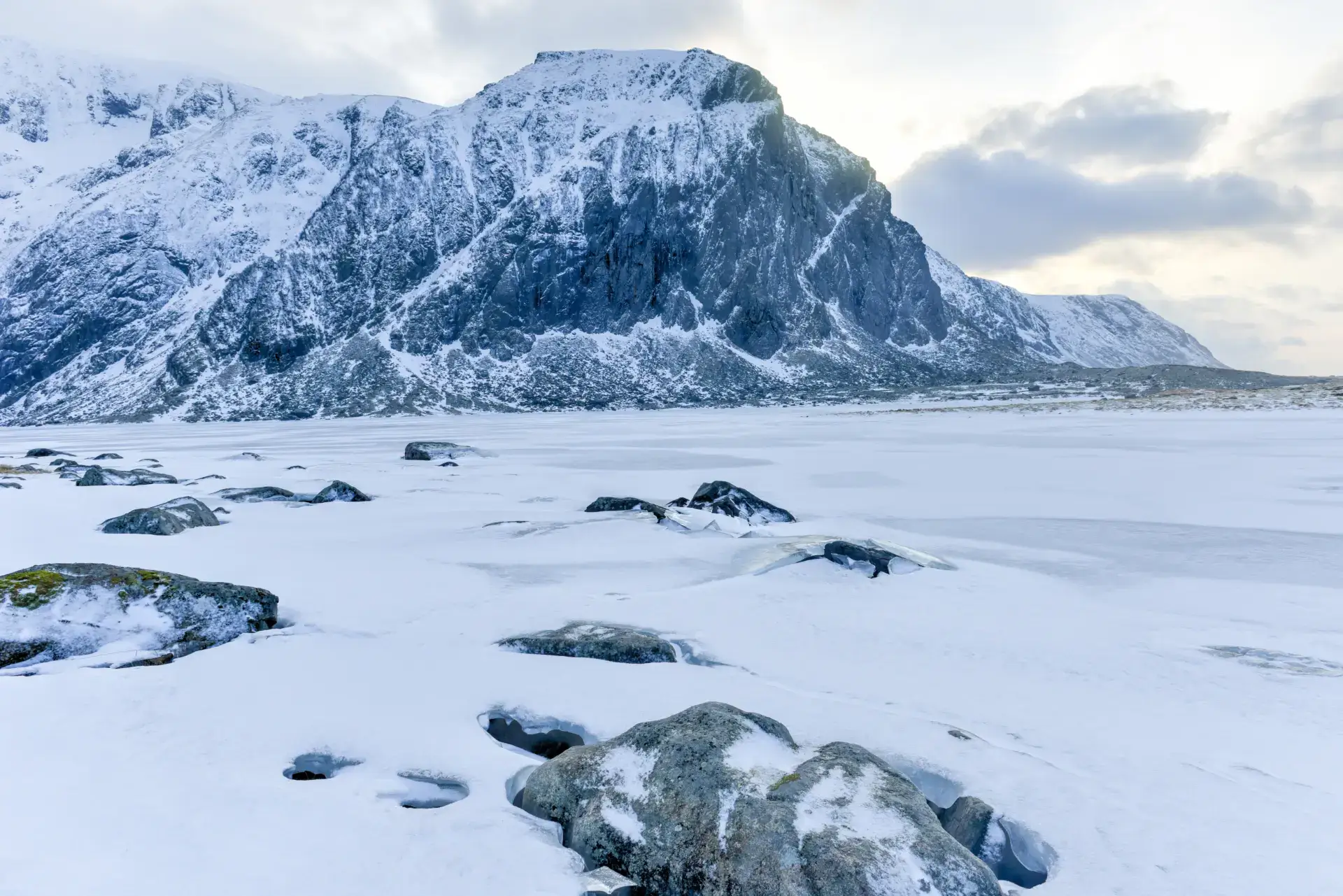
Northern Norway places the lights above a dramatic coastal landscape rather than an endless forest alone. Tromsø provides restaurants, museums and an airport-supported city base, while Lyngen, Alta, Senja and the Lofoten Islands offer more remote perspectives.
Aurora guides in Norway often drive considerable distances to find clearer skies, using local weather knowledge rather than waiting at a fixed camp. Daylight hours can include fjord cruising, whale watching in season, reindeer experiences, snowshoeing and food shaped by the Arctic coast.
Choose Norway when you want your winter journey to include serious scenery and a more varied sense of place. It works particularly well for couples, photographers and travellers who would enjoy a refined city dinner after a night outdoors.
Iceland: best for a road journey of fire, ice and geothermal landscapes
Iceland’s official aurora season generally runs from September to April. The advantage is not merely the sky. The country gives every daylight hour a dramatic purpose: waterfalls, black-sand coasts, lava fields, glaciers, geothermal water and a landscape that changes rapidly with weather.
A private guide and appropriate vehicle can create a flexible route around Reykjavík, the south coast or a remote lodge. Weather may close roads or cancel activities, so the itinerary requires buffers and a willingness to adapt. The Blue Lagoon is famous, but smaller geothermal experiences and private spa access can feel more considered.
Choose Iceland when the journey itself matters as much as the aurora. It is the least suitable of these options for travellers who want a predictable daily schedule.
Swedish Lapland: best for design, quiet and fewer obvious crowds
Sweden offers celebrated Arctic design, distinctive properties and a more understated rhythm. Kiruna and Abisko are recognised aurora bases, with Abisko often discussed for its local microclimate, although no location can eliminate cloud or guarantee a display.
The Icehotel, wilderness cabins and rail access from Stockholm can create a journey with strong architectural identity. Dog sledding, Sámi-led experiences and frozen landscapes provide the daytime structure.
Choose Sweden when you appreciate design, relative quiet and a journey that feels less commercially theatrical. It is especially attractive to repeat Nordic travellers.
When should you go?
The broad aurora window runs from late August or September to early April depending on the destination. The month should be selected by the wider holiday you want:
- September and October: autumn colour, less severe cold and no guarantee of snow cover.
- December: festive atmosphere, limited daylight and very high demand in Lapland.
- January: deep winter, strong snow conditions and colder temperatures.
- February and March: increasing daylight, established snow and an excellent balance of activities.
- Early April: longer days with residual darkness in northern regions, subject to local conditions.
Stay at least four nights in the aurora region. Six or seven provides greater resilience. One-night “Northern Lights trips” are structurally weak because a single cloudy evening can remove the entire purpose of the journey.
How luxury improves the odds without pretending to control nature
A skilled private guide can monitor forecasts, choose darker areas and move between local weather systems. A remote lodge reduces light pollution. An aurora alarm prevents you from staring through the window until dawn. A heated shelter, suitable clothing and hot food make waiting comfortable enough to continue.
None of these guarantees the lights. They improve the quality of the attempt. That distinction should appear clearly in the proposal and booking conversation.
The same applies to photography. A private photographer can set the camera, frame the landscape and help capture the family under the sky, but the final image depends on conditions. Avoid operators who use absolute language for a natural event.
The journey should not collapse if the sky remains dark
Build a holiday you would value without the aurora. Finland can still provide forests, saunas and huskies. Norway retains fjords, food and Arctic culture. Iceland remains one of the world’s most unusual landscapes. Sweden offers design and wilderness.
Then, if the lights appear, they become what they should be: an extraordinary gift rather than the only clause on which the holiday depends.
That is the soundest way to plan a luxury Northern Lights journey for 2026-27. Respect the uncertainty, strengthen the conditions and make every day worthy of the night you are waiting for.
The aurora cannot be booked, but the right conditions and a remarkable journey can. Let us plan both. Speak to a Tamarind Global Holidays Travel Specialist.