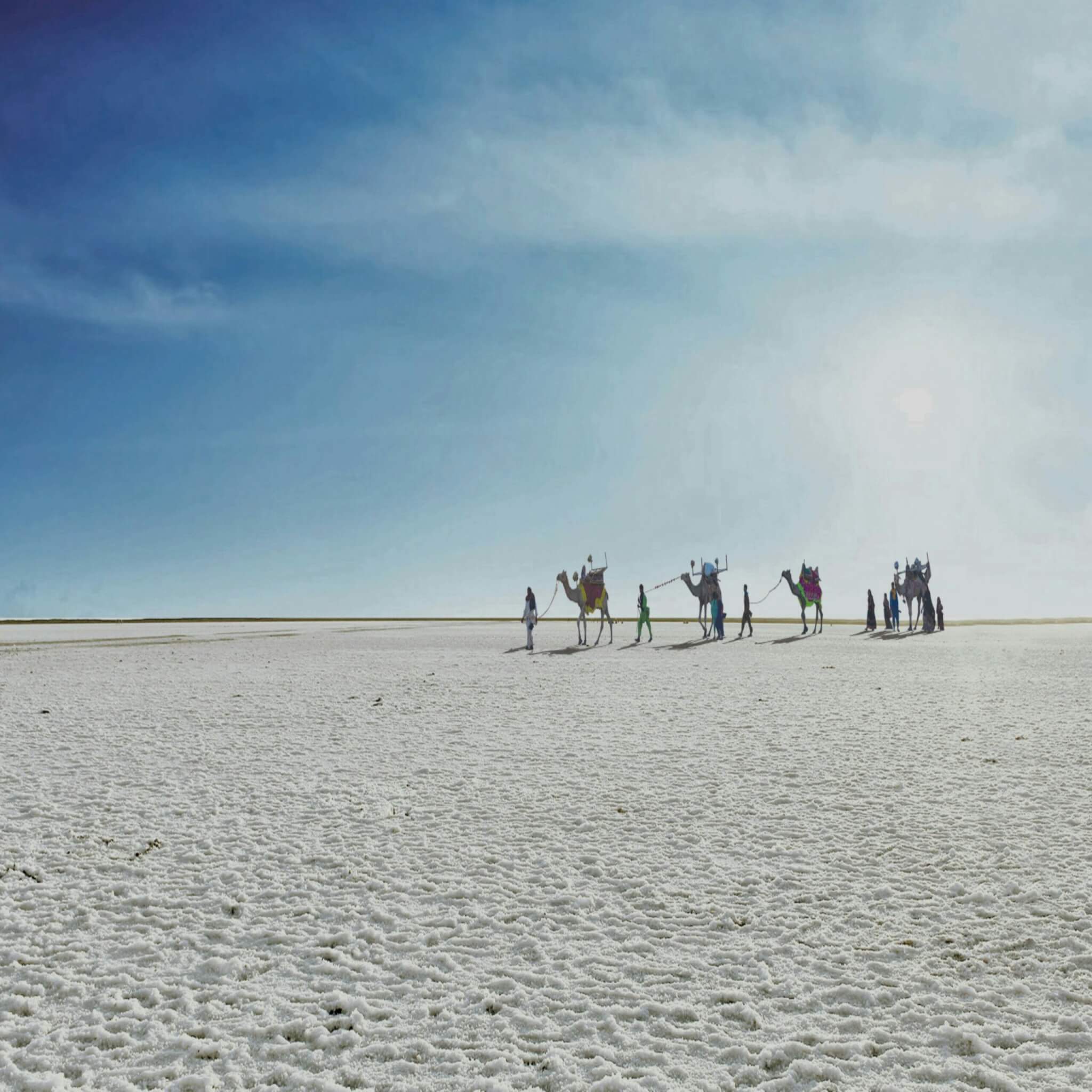
The White Rann is not white in the way a beach is white. It is brighter, flatter and stranger. By late afternoon, the salt desert seems to absorb the sky. At sunset it changes colour, and under moonlight the horizon can almost disappear.
That visual spectacle is what draws travellers to Rann Utsav, but it should not be the only reason you go. Kutch is a region of crafts, communities, archaeology, desert ecology and long distances. The festival works best when it becomes the doorway to the region rather than the entire trip.
For the 2026-27 season, Rann Utsav’s appointed official booking platform lists the Tent City season from 1 November 2026 to 7 March 2027. Dates, tariffs and special-event supplements should still be reconfirmed at the time of booking.
What exactly is Rann Utsav?
Rann Utsav is a seasonal tourism and cultural experience centred around Dhordo near the Great Rann of Kutch. The Tent City brings accommodation, regional food, performances, craft retail and organised access to surrounding attractions into one environment.
For first-time visitors, this provides convenience. Transfers, meals and excursions can often be packaged together depending on the selected plan. The trade-off is that it is a large organised event, not a private desert retreat.
Travellers wanting greater seclusion can build a Kutch itinerary around smaller boutique or heritage properties and visit the White Rann separately, subject to permits and current access arrangements.
Is the full moon really worth planning around?
If your dates are flexible, a full-moon period can be memorable because the salt flats take on an almost luminous quality after dark. These dates are popular and often priced accordingly. The commercial implication is simple: demand is higher, so preferred accommodation may sell earlier.
Do not assume the full moon is the only worthwhile time. Sunrise, sunset and clear winter nights can be remarkable throughout the season. If avoiding crowds matters more to you than the lunar calendar, choose a quieter weekday period.
How many nights do you need?
One night is possible, but it is transactional. You arrive, see the White Rann, sleep and leave.
Two nights is the practical minimum for most travellers. It allows the festival atmosphere, White Rann, nearby cultural experiences and some breathing room.
Three or four nights in greater Kutch is where the destination becomes more meaningful. Add Bhuj, local craft villages, Mandvi or Dholavira depending on your interests and route.
The right duration also depends on flight timings into Bhuj and the transfer schedule linked to your accommodation.
Do not miss the craft traditions of Kutch
Kutch has extraordinary textile and craft lineages. Embroidery, weaving, ajrakh block printing, leather work, lacquer and bell-making are connected to specific communities and places.
The responsible way to experience them is not as a shopping ambush. Visit workshops where artisans can explain process and provenance. Buy when you genuinely value the work, not because a guide has created pressure. Authentic craft encounters give context to what you later see in festival retail stalls.
Dholavira changes the scale of the trip
For travellers interested in archaeology and history, Dholavira is a major reason to extend beyond the festival. The Harappan city, located on Khadir island, offers a completely different understanding of Kutch. It is not a casual detour from Dhordo, so road time must be accounted for properly.
If Dholavira is important, build the itinerary around it rather than squeezing it between check-in and dinner.
Mandvi for coast and heritage
Kutch is not only salt desert. Mandvi introduces a coastal landscape, historic associations and a softer pace. Depending on your route, it can make an excellent final stop after the intense openness of the Rann.
This contrast is precisely what makes a longer Kutch holiday worthwhile.
What should you pack?
Winter days can be sunny while evenings and early mornings become cold, particularly in open desert areas. Carry layers, closed footwear, sun protection and something warm enough for night excursions.
Salt and dust are hard on shoes and camera equipment. Pack accordingly. If you are travelling with older family members, also consider the amount of walking between transport, tents and event areas.
Is Tent City “luxury”?
That depends on your definition. It offers organised comfort in a remote environment, and premium tent categories can provide a polished festival stay. It should not be compared directly with a palace hotel or private island resort.
The real value lies in access, logistics and atmosphere. If your expectation is complete privacy, a large festival settlement may not be the right format. A travel advisor should be willing to tell you that before booking.
Who will enjoy Rann Utsav most?
Families who enjoy culture, domestic travellers seeking a visually distinctive winter break, photographers, craft enthusiasts and international guests exploring Gujarat can all find it rewarding.
Travellers who dislike crowds should avoid the busiest weekends and special dates. Those with very limited mobility should discuss transfer arrangements and walking requirements in advance.
Turn Rann Utsav into a Kutch journey with Tamarind Global Holidays
The White Rann may be the headline, but Kutch is the story. Tamarind Global Holidays can help decide whether you should stay inside the festival environment or outside it, how many nights are justified, and which extensions belong in your route.
To plan Rann Utsav 2026-27 with Bhuj, Dholavira, craft villages, Mandvi or a wider Gujarat itinerary, visit https://tamarindglobalholidays.com/contact-us/ and speak with the team before high-demand winter dates become constrained.