There is a moment in Kashmir when green stops being the dominant colour.
The chinars begin changing first. Leaves move through yellow, copper, rust and deep red. The light becomes lower and softer. Srinagar’s gardens feel less formal and more cinematic. The air sharpens in the evening. Then, almost before travellers realise the transition is complete, winter begins taking over the higher ground.
That narrow autumn window is one of Kashmir’s most beautiful seasons and one of its least understood.
Srinagar should be experienced on foot, by water and at garden pace
A good autumn itinerary starts in Srinagar with enough time to notice detail. Shalimar Bagh is especially associated with the changing chinar leaves, and Jammu and Kashmir tourism information identifies autumn as one of the rewarding seasons for the garden.
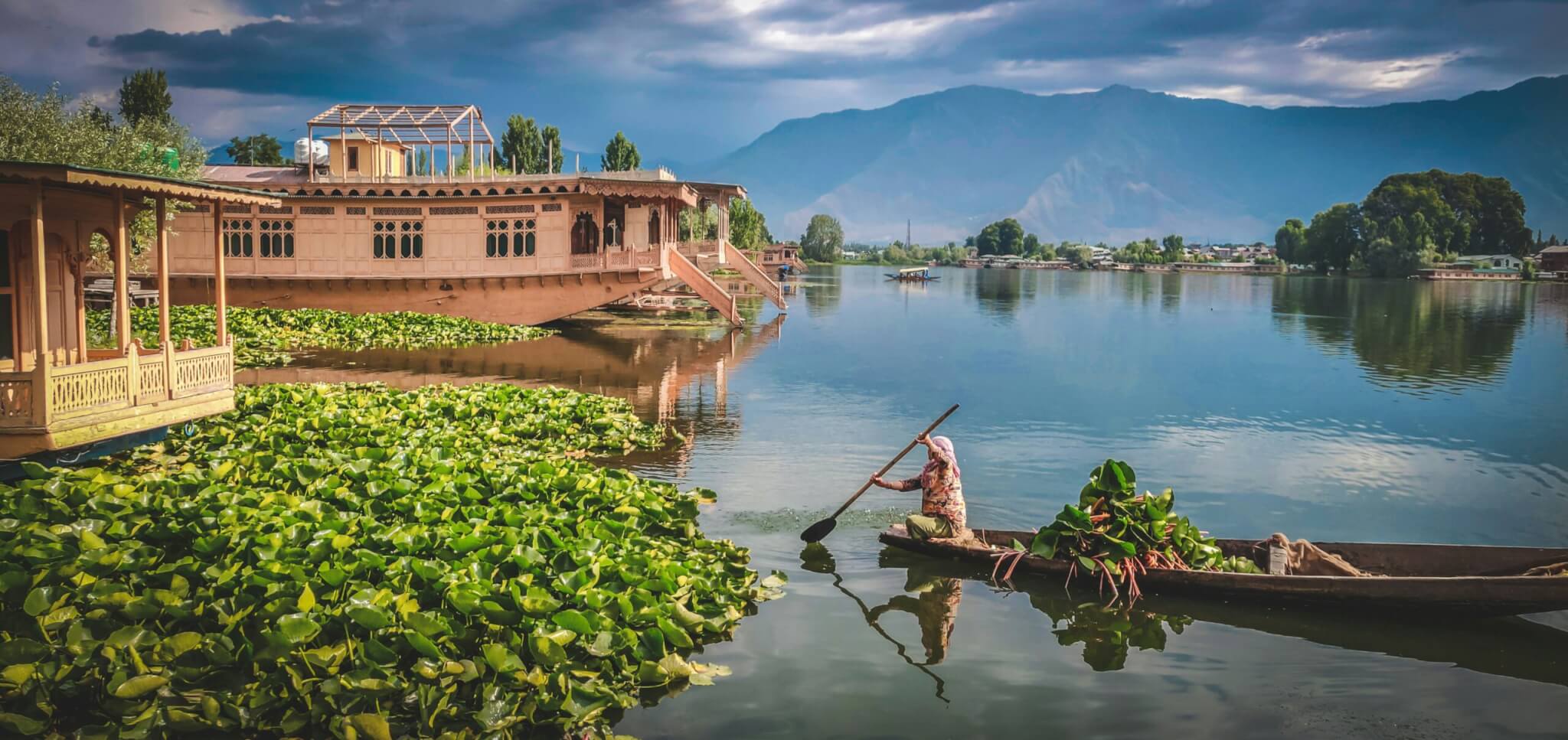
Visit the Mughal gardens without compressing all of them into a single hour. Take a private shikara ride at a quieter time of day. Walk through parts of the old city with a guide who can explain architecture, shrines, markets and social history rather than merely pointing out photo stops.
The houseboat question is personal. Some travellers love the romance; others sleep better in a full-service hotel. A split stay can provide both experiences without forcing a compromise.
Pampore and saffron country add another layer to autumn
Kashmir’s saffron-growing areas around Pampore are closely associated with the autumn harvest period. For travellers interested in food provenance and agriculture, this can be a meaningful addition when the timing is right.
Do not turn working farmland into a staged photo set. Experiences should be arranged respectfully and subject to local conditions. The objective is to understand a tradition, not interrupt it.
Pahalgam becomes quieter and more contemplative
Pahalgam in autumn suits travellers who value landscape over attraction lists. Forests change colour, river valleys feel calmer, and the pace naturally slows after the intensity of summer tourism.
Weather becomes cooler, so outdoor plans should remain flexible. Depending on local access and conditions, day excursions can be arranged into surrounding valleys. The temptation is to visit three scenic points in one day. The better choice is often to visit one properly.
Stay somewhere with a view you are actually willing to spend time enjoying.
Gulmarg before winter arrives
Gulmarg in autumn occupies an interesting middle ground. Summer green begins fading, winter sports have not yet defined the destination, and the mountain landscape can feel spacious.
The gondola remains a major draw subject to operations and weather. Higher elevations can become significantly colder than Srinagar, so pack for changing conditions even if the city feels pleasant.
Autumn travellers should also understand that weather transitions can affect mountain access. A flexible itinerary is a sign of competence, not uncertainty.
How many days does Kashmir deserve in autumn?
Five nights can cover Srinagar plus one mountain base, but it will feel concentrated.
Seven nights is more comfortable for Srinagar, Pahalgam and Gulmarg.
Nine or ten nights allows slower travel, heritage experiences, a possible saffron-country excursion, and time to simply remain in one place when the weather is beautiful.
Do not count a road transfer as a sightseeing day. Mountain journeys take time, and autumn daylight becomes shorter as the season advances.
What should you pack?
Layers. Always layers.
Daytime can be pleasant, but mornings and evenings become cold. Carry a warm jacket, light thermals for later autumn dates, comfortable walking shoes, a scarf and rain protection. Mountain temperatures can differ markedly from Srinagar.
If you are travelling with elderly parents or young children, choose hotels with reliable heating and easy vehicle access. Romantic stairs become less romantic when luggage and cold weather are involved.
Is autumn Kashmir good for a honeymoon?
Very much so, particularly for couples who want atmosphere rather than snow activities. Autumn offers colour, quieter landscapes and opportunities for private meals, garden walks and longer stays.
The mistake is creating a honeymoon itinerary that moves hotels every night. A special journey requires time together, not constant check-out deadlines.
What about safety and changing conditions?
Travel to Kashmir should always be planned with current local guidance in mind. Political, security and weather conditions can change, and official advisories should take precedence over old blogs or social posts.
This does not mean travelling anxiously. It means using current information and a reliable ground network.
Autumn is not a consolation season
Kashmir is often marketed through two extremes: spring flowers and winter snow. Autumn deserves its own place. It is subtler, warmer in colour and particularly suited to travellers who do not need every day to be activity-led.
If your preferred holiday involves long breakfasts, landscape, photography, history, food and a little silence, these weeks can be extraordinary.
Travel to Kashmir with an itinerary that respects the season
Tamarind Global Holidays can design an autumn Kashmir journey around Srinagar, Pahalgam, Gulmarg and selected local experiences, while building in the practical flexibility that mountain travel requires.
For an October or early-season autumn holiday tailored to your pace and preferred standard of stay, visit https://tamarindglobalholidays.com/contact-us/ and speak with Tamarind Global Holidays about planning Kashmir before the chinar season passes.