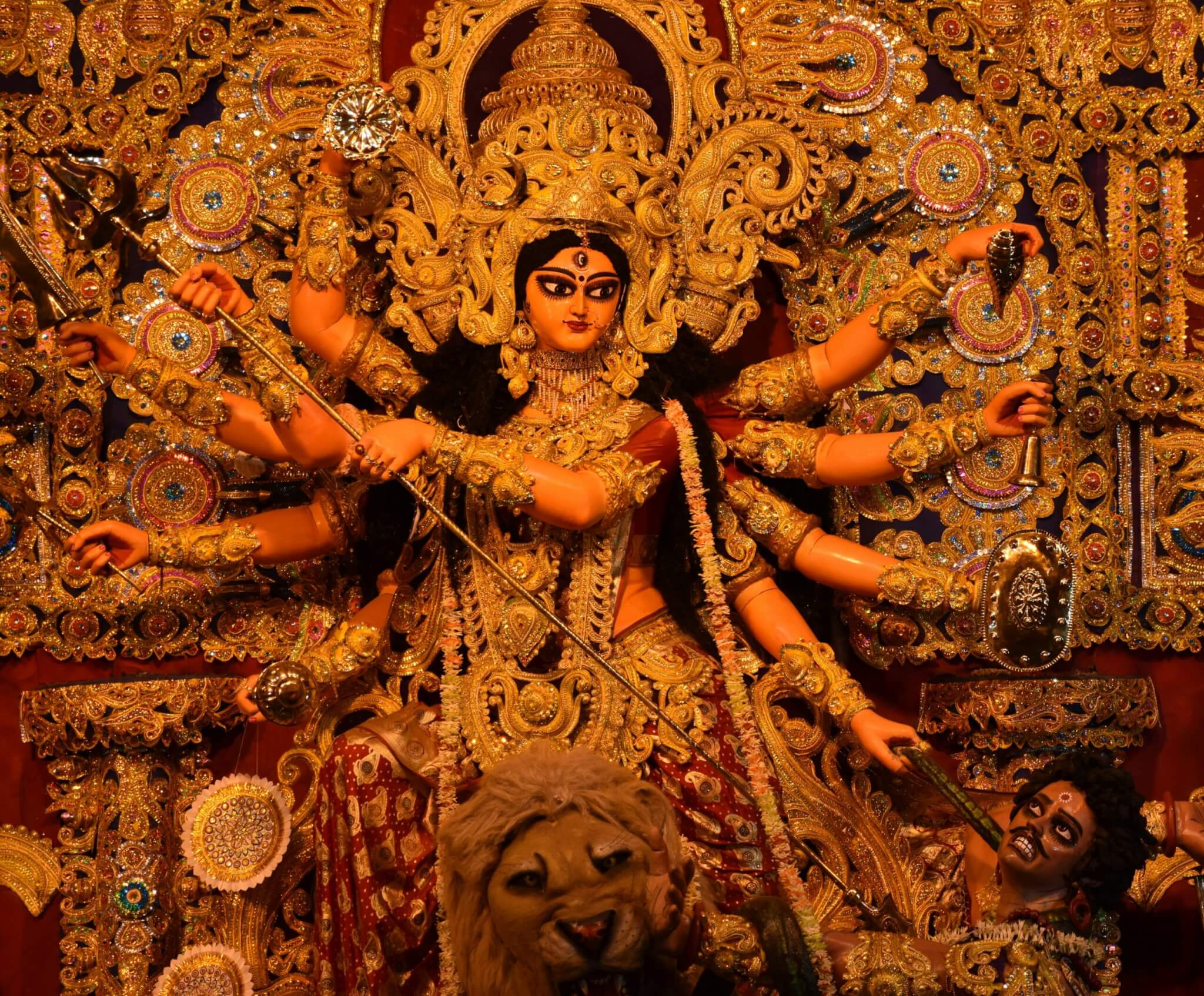
Kolkata during Durga Puja does not behave like an ordinary city hosting an event. The city itself becomes the event.
Roads turn into pedestrian corridors. Neighbourhood clubs build temporary worlds from bamboo, fabric, light, paint, sound and extraordinary imagination. Families dress for the evening and remain out until hours that would normally belong to sleep. Food stalls multiply. Traffic logic changes. A journey of three kilometres can take far longer than expected, and nobody who understands Puja plans by distance alone.
For a visitor, that intensity can be exhilarating. It can also be overwhelming. The difference lies in how you approach it.
Start by understanding what you are seeing
Durga Puja is West Bengal’s largest festival, and Kolkata’s celebration has international cultural recognition. Yet reducing it to “pandal hopping” misses the emotional centre of the festival: the annual arrival of Goddess Durga, family reunion, community participation, artistry, ritual and eventual farewell.
A good guide should explain both the religious meaning and the contemporary cultural phenomenon. Some pandals are known for traditional idol forms, others for ambitious themes and installations. Both belong to the same city, but they offer very different experiences.
Do not try to see every famous pandal
This is the first rule of enjoying Puja.
Lists of “top 30 pandals” are useful for social media and terrible for human knees. Select clusters by neighbourhood and decide what matters: traditional north Kolkata pujas, large thematic installations, iconic community celebrations, or a mix.
A private vehicle can help at certain times, but road closures mean walking is unavoidable. In some areas, public transport or carefully timed drop-offs are more practical. Your footwear will influence your mood more than your designer outfit.
Consider one late-night Puja experience
Kolkata’s festival hours are unusual. Many pandals remain active deep into the night, and late-evening or post-midnight visits can reveal the city at its most electric.
That said, “late” does not automatically mean “uncrowded”. Popular sites can remain busy for hours. Families with children or older travellers should choose earlier windows and shorter circuits.
Plan one ambitious night and keep the rest civilised.
North Kolkata deserves special attention
The older neighbourhoods offer a different visual language from the enormous contemporary theme pandals. Traditional houses, narrow lanes and long-running pujas provide historical context.
Pair this with a heritage walk during the day when the streets are easier to understand. You will appreciate the festival more once you have seen how the city normally functions.
Food is not an optional side programme
Puja is as much about eating as moving. Bengali classics, festive bhog, street food, sweets and modern restaurant menus all become part of the week.
Rather than chasing every famous restaurant, plan strategically. Have one traditional Bengali meal, try selected street food with hygiene in mind, experience bhog where appropriate, and leave room for sweets.
Reservations at popular restaurants can be difficult during festival days. Book important meals early and remain flexible around travel delays.
Where should a visitor stay?
Location is critical. Central Kolkata provides access to several major areas, while south Kolkata may suit travellers focusing on those neighbourhoods. A luxury hotel can become an important refuge from noise and humidity between outings.
Do not choose a hotel solely by star rating. Ask how vehicle access changes during Puja, how far you may need to walk during road closures, and whether the concierge has genuine local festival experience.
A comfortable room close to your planned clusters is more valuable than a grander property on the wrong side of the city.
What should you wear?
Festive clothing is welcome, but practicality matters. Cotton, breathable fabrics and comfortable footwear are sensible. Carry as little as possible. Crowds make large bags inconvenient.
Keep your phone secure, carry water, and agree on a meeting point if travelling as a group. Mobile networks can become congested in dense crowds.
Photography requires courtesy
Pandals are community and religious spaces, not film sets. Follow instructions, do not block queues for photographs, and avoid intrusive close-ups of people during prayer without permission.
The most respectful traveller is usually the one who sees more because they are not constantly trying to stage the moment.
How long should you stay?
Three nights gives a taste. Four or five allows you to experience different neighbourhoods, food, heritage and a slower daytime programme.
If you have never visited Kolkata before, add a day before the festival intensity peaks so you can see the Victoria Memorial area, riverfront, markets or colonial-era architecture without squeezing everything between pandal circuits.
A final planning caution for 2026
Festival dates and city-level traffic arrangements should be reconfirmed against current official information before you travel. Road restrictions, entry systems and major event schedules are announced closer to the period and can materially affect an itinerary.
A festival trip should be structured, but never rigid.
Experience Durga Puja without losing yourself in the crowd
Tamarind Global Holidays can create a Kolkata Puja journey that balances the city’s most significant celebrations with private guiding, well-located accommodation, sensible transport planning, food experiences and enough downtime to keep the festival enjoyable.
If Durga Puja 2026 is on your travel list, visit https://tamarindglobalholidays.com/contact-us/ to begin planning a Kolkata itinerary designed around your mobility, interests and appetite for the city’s extraordinary festive energy.