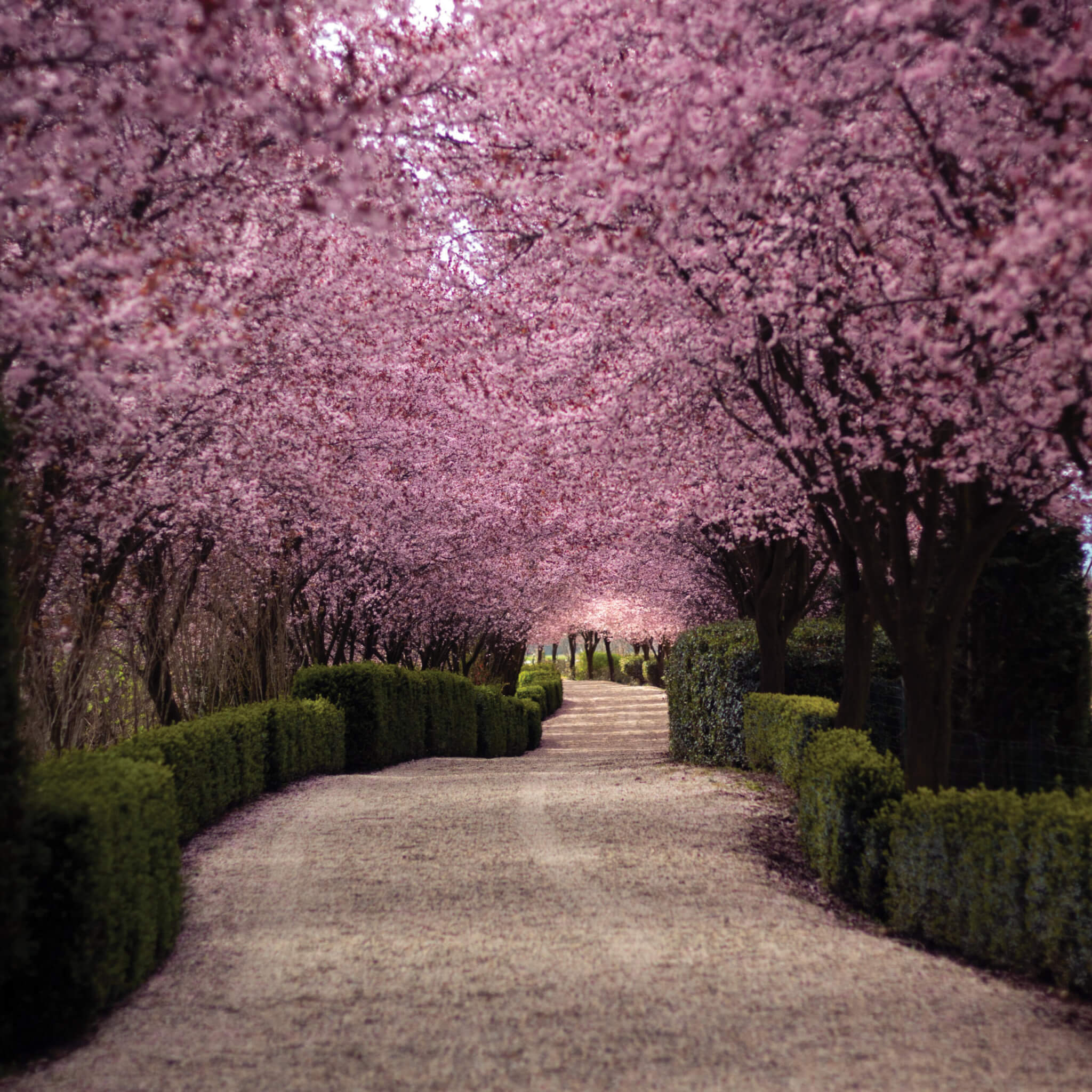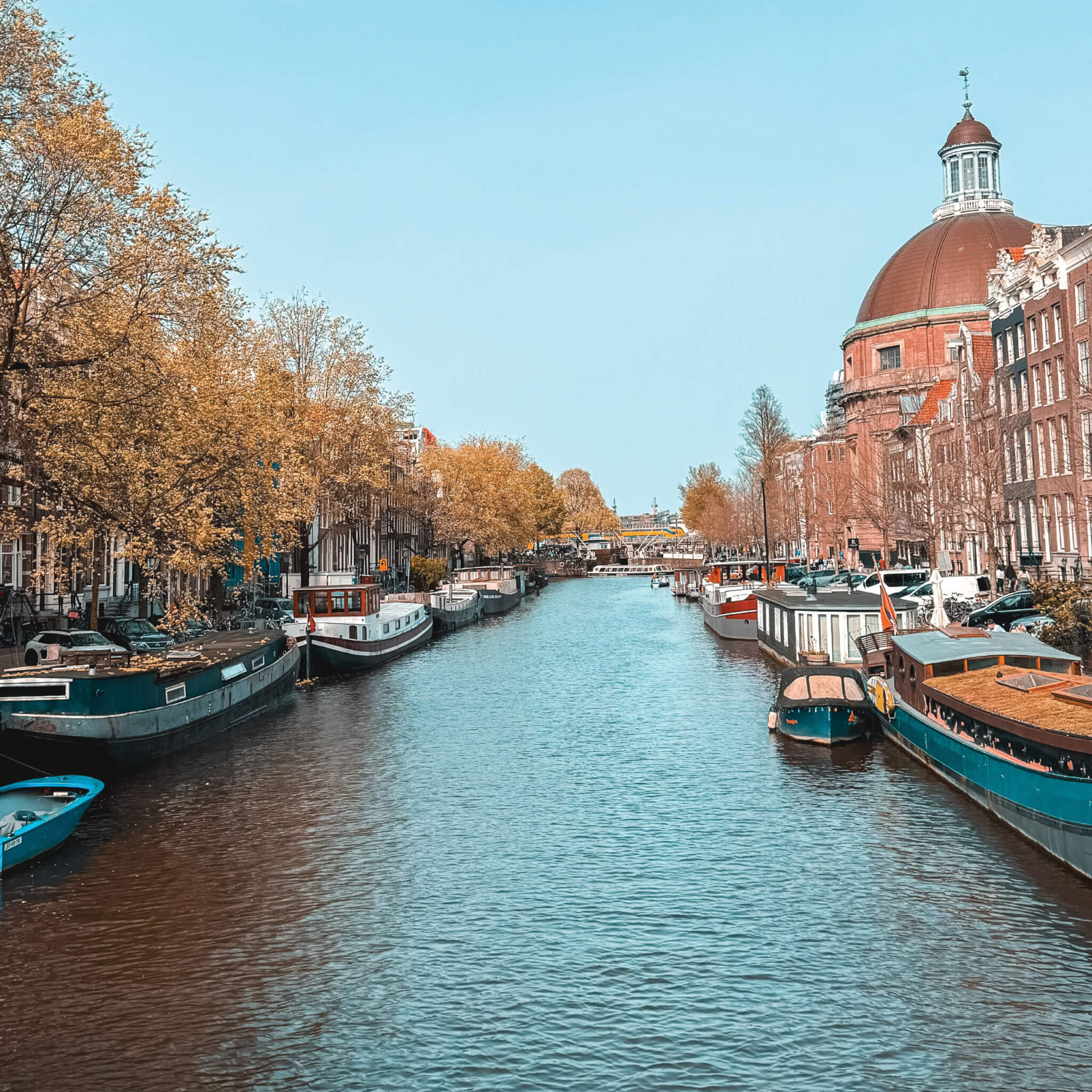
Europe changes its tone in September.
The monuments remain where they were, the coast still catches the afternoon light, and the cafés continue to place tables on the pavement. What changes is the pressure around them. Families return to school, peak summer departures ease, and the continent begins to feel inhabited rather than staged.
For travellers from India, Europe in September offers a useful compromise. You can still swim in parts of the Mediterranean, walk through major cities without midsummer heat, and reach mountain regions before winter closes the higher seasonal experiences. It is also harvest time in several wine-producing areas, which gives the countryside a purpose beyond scenery.
This does not mean every price collapses or every city becomes empty. Fashion weeks, festivals, conventions and harvest events can create local demand. The sensible approach is to choose a route with a coherent seasonal reason, then secure the specific hotels, trains and tables that matter.
Route One: The Mediterranean after the spotlight moves away
Begin in Athens, not merely as a gateway but as a city worth two or three nights. Visit the Acropolis early with an archaeologist, explore contemporary galleries, and dine in neighbourhoods where the city’s modern confidence is visible. Continue by air or ferry to an island selected for your actual preferences.
Crete works for travellers who want beaches, archaeology and excellent food in one place. Paros suits a more compact island rhythm with attractive hotels and private boating. Milos is visually dramatic and best appreciated from the water. Santorini remains worthwhile when approached with realistic expectations and a hotel chosen for privacy rather than proximity to the busiest lanes.
From Greece, you may continue to southern Italy, but only if the trip is long enough. Puglia offers masseria stays, olive groves and a coastline with a less theatrical mood than Amalfi. Sicily provides greater cultural weight and requires more time. A ten-night holiday should not attempt Athens, two Greek islands and three Italian regions. Luxury is diminished when the itinerary becomes a race.
Route Two: The harvest journey through France and Portugal
A September journey can be built around the table. Begin in Paris for art, dining and a few precise appointments, then travel by train to Bordeaux or Burgundy. Private cellar visits are most valuable when they include context, not only tasting. The finest estates may have limited access during harvest, so arrangements must be made respectfully and well in advance.
Portugal offers a complementary second half. Porto and the Douro Valley are visually distinct from France, yet the route continues the themes of landscape, craft and wine. A river-facing hotel in Porto, a valley estate and a final stop in Lisbon create a balanced journey without unnecessary domestic flights.
Travellers should be aware that harvest is a working season. Some producers are exceptionally busy, and an estate’s refusal of a private appointment is not poor service. It may simply mean the grapes require attention. A specialist who understands those relationships can propose meaningful alternatives.
Route Three: Switzerland and northern Italy by rail
September is especially well suited to travellers who enjoy the journey itself. Switzerland’s panoramic railways, lake routes and mountain connections can be assembled into an itinerary where transfers become scenic experiences rather than administrative gaps.
Lucerne provides an elegant introduction with water and mountains in immediate view. The Bernese Oberland offers access to valleys and high-altitude excursions. Zermatt supplies the Matterhorn, while the Engadin moves towards autumn colour as the month develops. Continue south into northern Italy for Lake Como, Milan or the Dolomites, depending on the weather and your pace.
Rail bookings, luggage strategy and hotel location deserve the same care as the sightseeing plan. A beautiful hotel that requires an inconvenient climb with multiple suitcases may not be the right choice. Practical precision is part of high-end travel.
Route Four: Central Europe for culture without the December cold
Vienna, Prague and Budapest are often packaged together, but September allows them to be experienced with more nuance. Vienna’s museums, music and coffeehouse culture justify several nights. Prague benefits from early mornings and an expert who can lead you beyond the Old Town Square. Budapest brings thermal baths, architecture and an evening life that feels distinct from both neighbours.
The cities are connected by rail, which makes this one of Europe’s easier multi-country journeys. Consider adding a countryside element such as Austria’s Wachau Valley or a private Danube experience rather than a fourth capital. The contrast between urban heritage and a slower landscape gives the itinerary shape.
What September changes in practical terms
- Daylight remains useful, but evenings arrive earlier than in June. Plan outdoor viewpoints before late dinners.
- The sea may remain warm in southern Europe, while alpine mornings can require proper layers.
- Some island and mountain businesses reduce hours later in the month. Confirm seasonal operations before booking non-refundable stays.
- Popular trains and small luxury hotels can still sell out. Shoulder season is not the same as no demand.
- Travel insurance should reflect the value of the trip, including prepaid festive events, private guides and non-refundable rooms.
For Indian travellers with a nine to fourteen-night window, Europe in September can deliver more substance and less strain than a peak-summer circuit. The key is to resist the false economy of adding too many countries simply because they appear close on a map.
The real argument for September
Europe is often sold through landmarks. September allows you to notice the spaces between them: the wine harvest on a hillside, the first cool morning beside a lake, the table that no longer needs to be surrendered in ninety minutes, the museum room in which you can actually stand still.
That quieter access is not an incidental benefit. For many discerning travellers, it is the point. A September holiday, properly designed, provides the depth of Europe with less of its summer friction. The continent is still open, still warm in the south and already reflective in the north. It is one of the few months in which several versions of Europe can coexist within the same journey.
Europe in September deserves a route built around your interests, not a standard circuit. Let us prepare a considered, seamless itinerary. Speak to a Tamarind Global Holidays Travel Specialist.