The river does not take reservations.
That is the first fact any traveller should understand before booking the Great Migration in September. Wildebeest do not cross because a vehicle has arrived, a photographer has waited, or an itinerary states “river crossing” at 10.30 a.m. They move because rain, grazing, instinct and pressure within the herd compel them to move.
This uncertainty is not a defect in the experience. It is the reason the spectacle retains its force. You are watching a living ecosystem, not an attraction operating to a fixed schedule. A properly planned luxury safari in Tanzania acknowledges that reality and improves your chances through location, time and excellent guiding, without making a representation that nature may not honour.
September commonly places large herds in the northern Serengeti and across the wider Serengeti-Mara ecosystem. Crossings of the Mara River may occur in either direction, sometimes more than once. The month is therefore highly sought after, but the safari should be designed to appreciate the entire northern landscape, not to regard every non-crossing day as a failure.
Why the northern Serengeti matters in September
The northern Serengeti feels different from the central plains. Riverine woodland interrupts open grass, kopjes rise from the landscape, and the Mara River becomes both a source of life and a formidable obstacle. Herds can gather near Kogatende, Lamai and adjoining areas, then split, circle or move across the border into Kenya according to conditions.
A camp placed in the correct region reduces unnecessary driving. Mobile camps can follow the broad migration season, while established lodges may offer more substantial facilities. Neither category is automatically superior. A mobile tented camp may give you immediacy and atmosphere; a permanent property may provide a larger room, extensive spa facilities or greater predictability for families.
The decision should be based on the traveller. A serious photographer may value location and departure flexibility above a large swimming pool. A multigenerational family may require connected accommodation, dietary certainty and shorter gaps between activities.
The crossing is dramatic. The waiting is part of it.
Wildebeest may approach the bank, retreat, regroup and stand for hours. One animal can trigger movement, or the entire mass can turn away. During that waiting period, a skilled guide reads behaviour, monitors reports from trusted colleagues and protects the quality of the sighting by avoiding aggressive positioning.
Ethical conduct is not optional. Vehicles should not block movement corridors, crowd animals at the bank or treat a crossing as a competitive prize. The best safari teams understand that a guest’s photograph cannot take precedence over the welfare of the herd.
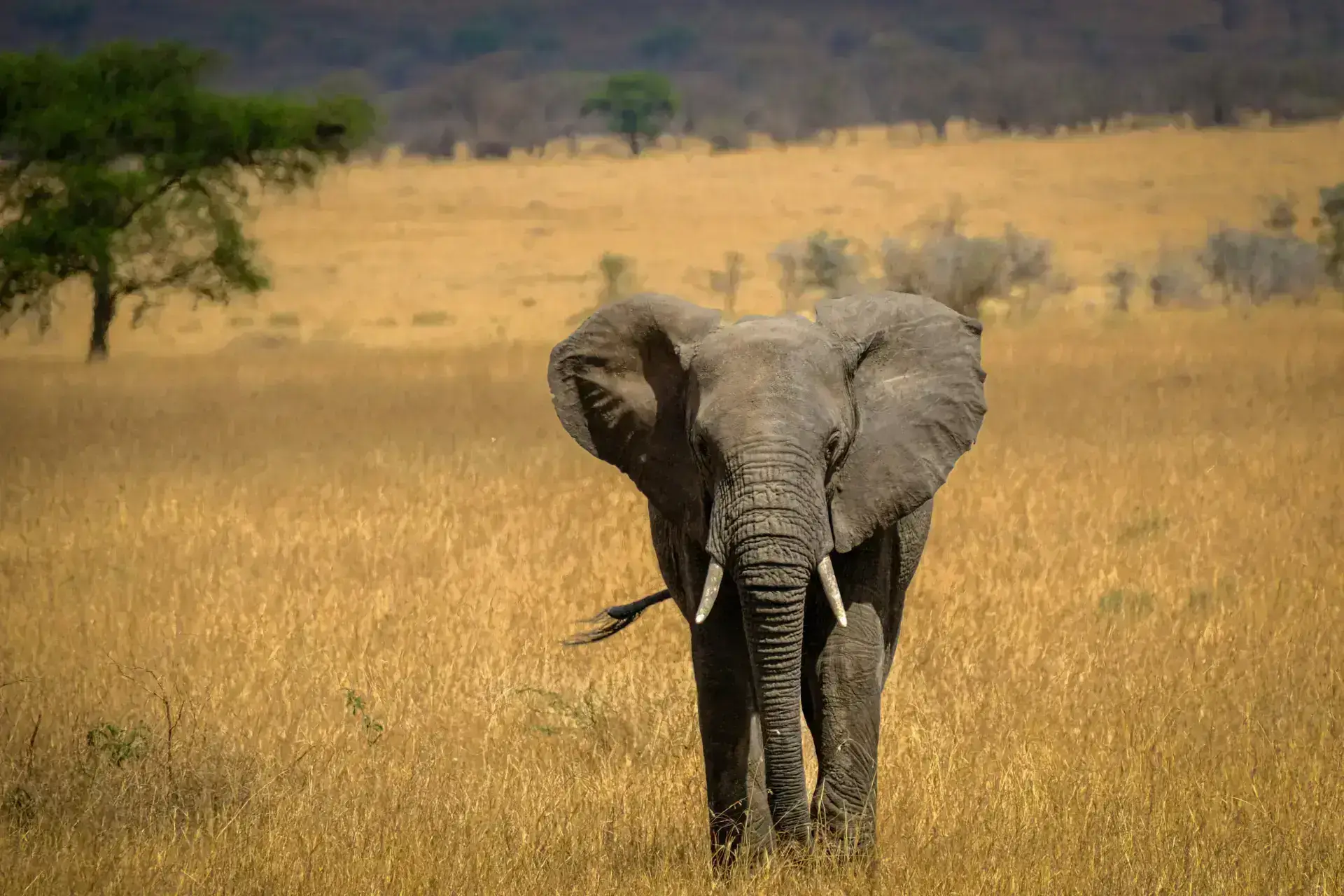
Patience also improves the journey beyond the river. Northern Serengeti supports lion, leopard, cheetah, elephant, giraffe, hyena and varied birdlife. The migration changes predator activity, but the ecosystem is not empty when the wildebeest are elsewhere. A morning with a leopard in a tree or a pride teaching cubs to hunt can become the memory that outlives the crossing.
How many nights should you stay?
For a September migration safari, three nights in the northern Serengeti should be regarded as the lower limit, not the ideal. Four nights provide a more reasonable opportunity to accommodate weather, herd movement and the simple fact that wildlife rewards time.
A carefully paced Tanzania itinerary may look as follows:
- Arrive in Arusha and rest, particularly after an international connection from India.
- Fly to the northern Serengeti for four nights, using private or shared game drives according to your preference.
- Continue to Ngorongoro for two nights, allowing a full crater descent without a rushed road transfer on the same day.
- Add Tarangire for elephants and a different ecosystem, or fly to Zanzibar for four nights by the ocean.
The common mistake is to divide seven nights among too many parks. Every flight, check-in and road transfer removes time from the landscape. A luxury safari should increase access to nature, not merely increase the number of hotel names on the itinerary.
Choosing the right safari format
A private vehicle gives your party control over departure times, photography stops and the duration of sightings. It is especially valuable for families, dedicated photographers and travellers who dislike negotiating preferences with strangers. Shared drives can still be excellent in a small camp with strong guiding, and they may create enjoyable conversation around the fire later.
Flying between regions saves time but introduces baggage limits on light aircraft. Those limits should be explained before departure, including the requirement for soft-sided luggage. Road travel offers a sense of geography, although distances are substantial and conditions can be tiring.
September is peak safari season. Camps, family units and the most experienced private guides may be committed well in advance. A late booking can still be possible, but it should not be expected to produce the same choice.
What to pack, and what to leave behind
Neutral, breathable layers work better than a wardrobe designed only for photographs. Early drives can feel cool, midday sun may be strong, and dust is part of the environment. Bring a hat, sun protection, closed shoes, binoculars and a camera setup you can actually manage inside a vehicle.
Leave behind the expectation that every minute must produce a dramatic scene. Safari is built on observation. Quiet periods make the sudden appearance of wildlife more powerful. They also allow your guide to explain tracks, plants, territorial behaviour and the relationships that hold the ecosystem together.
The legal and practical point about guarantees
No travel company can properly guarantee a river crossing, a particular predator sighting or a cloudless balloon flight. What can be promised is sound planning: the appropriate region for the season, enough nights, reputable camps, qualified guides, clear terms and responsive support.
That distinction protects the traveller as much as the operator. It replaces marketing theatre with informed expectation. The Great Migration in September is extraordinary precisely because it remains wild. Your journey should respect that fact while placing you as close as reasonably possible to the unfolding story.
A migration safari should be built around probability, position and patience. Let us design it with the necessary care. Speak to a Tamarind Global Holidays Travel Specialist.